

 Biocontainment
 Biopharma
 Healthcare


 Brochures
 User Manuals


Mobile vs. Modular Cleanrooms - what's the difference?


Modular
Deployed quickly with increased opportunity for scalability often used as a permanent installation. Modular facilities can accommodate large process equipment, extensive material/personnel storage, and highly complex process flows easier than a mobile facility.
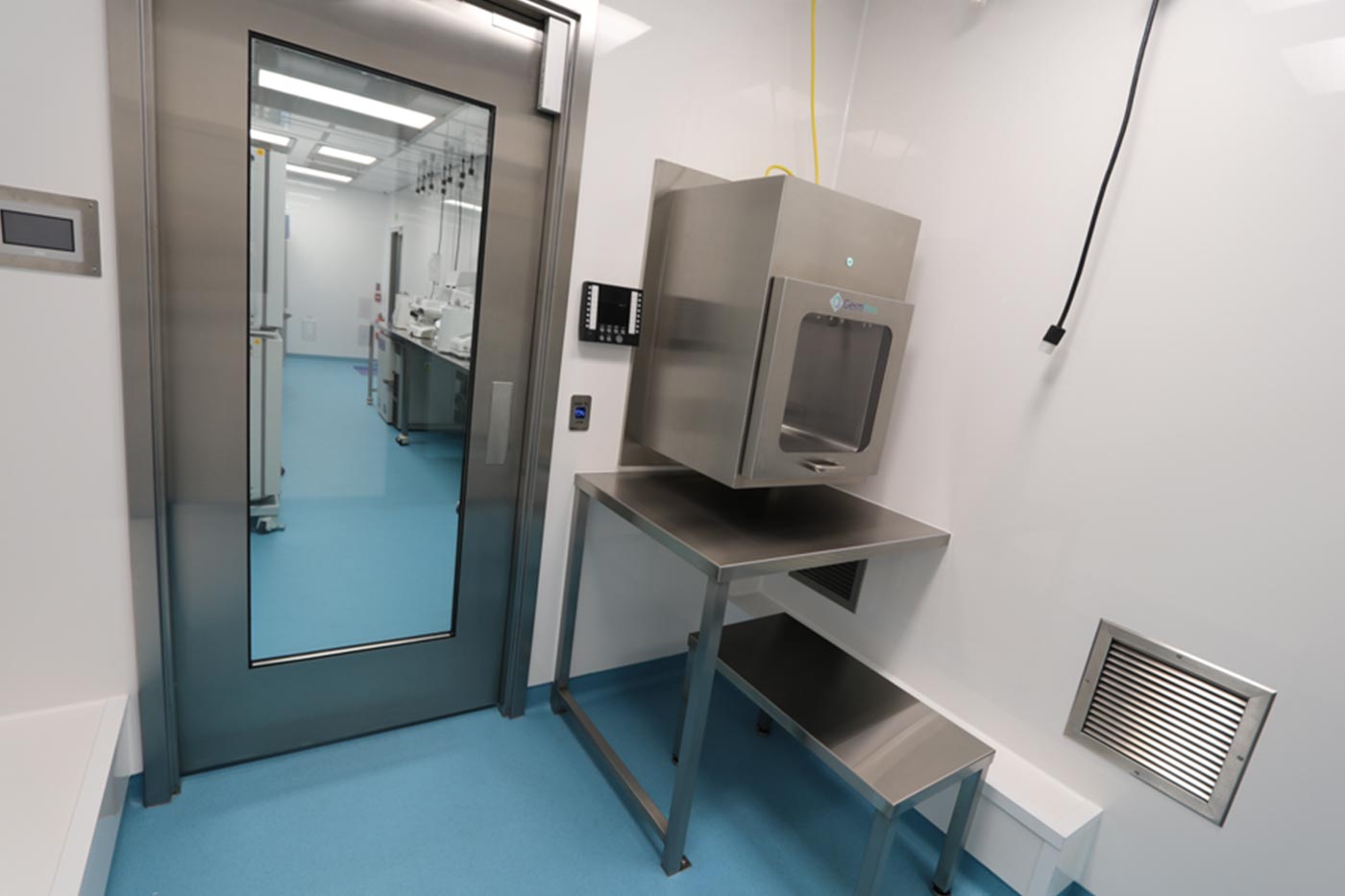
What is a modular cleanroom?
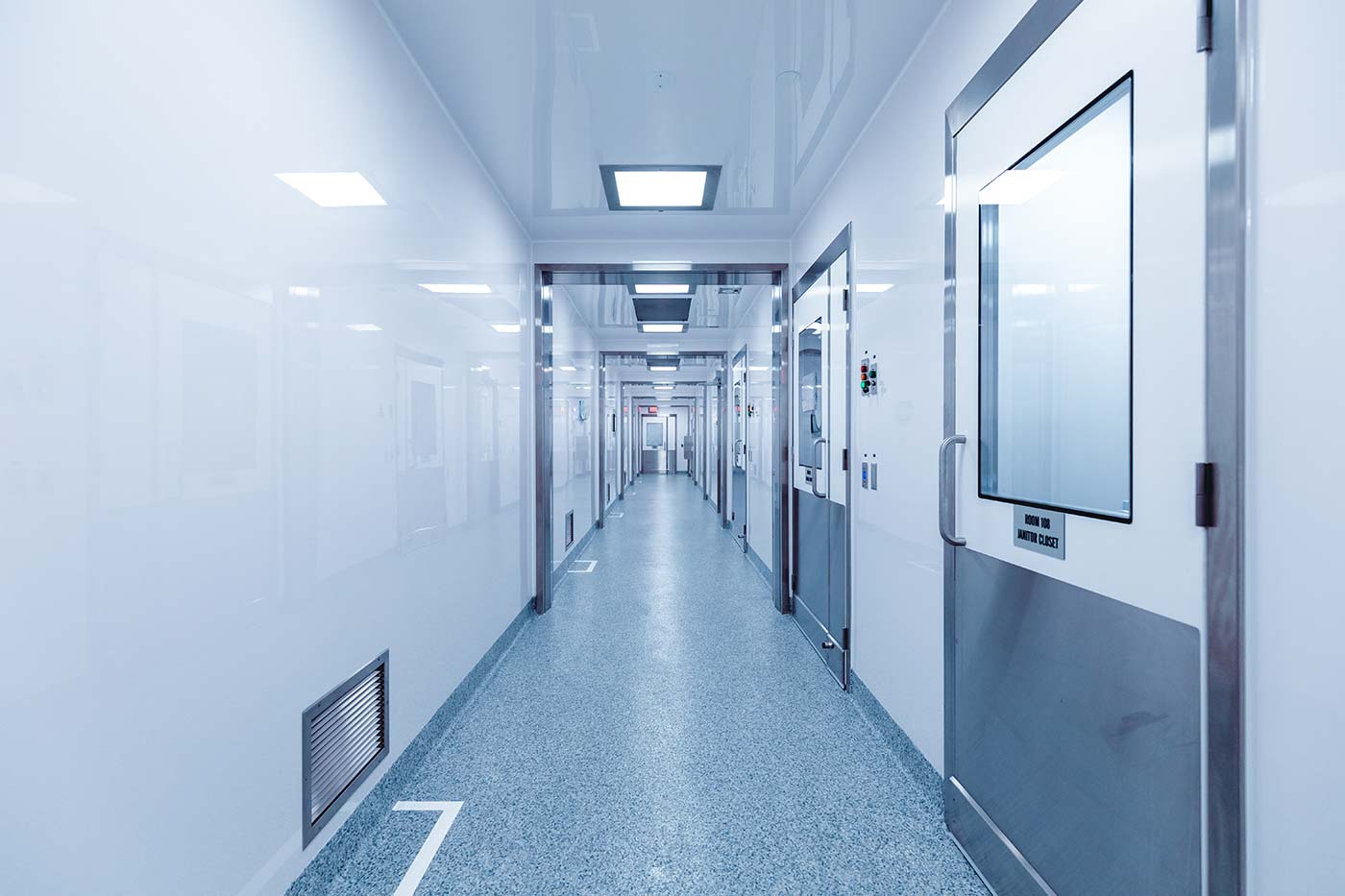
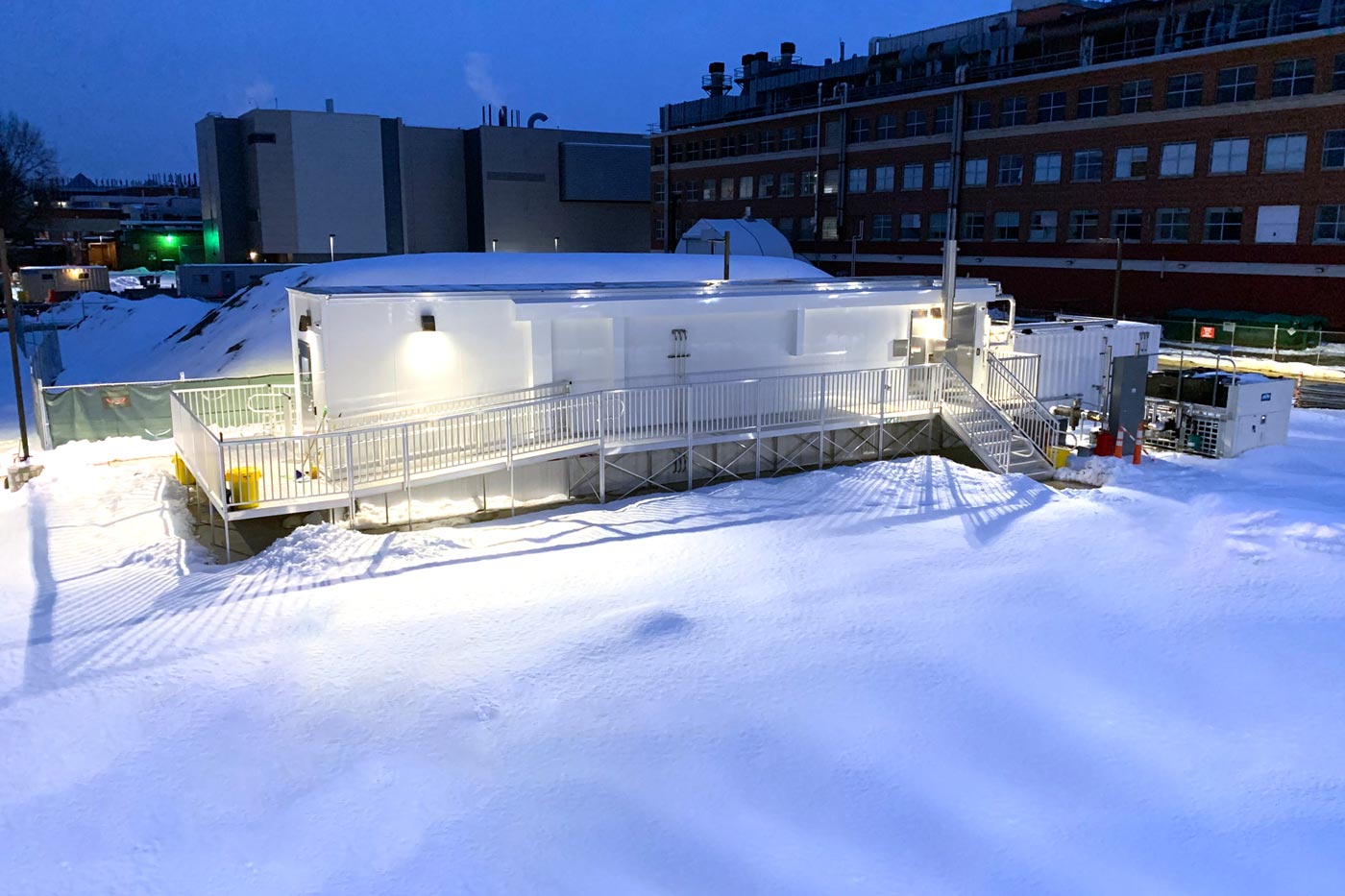
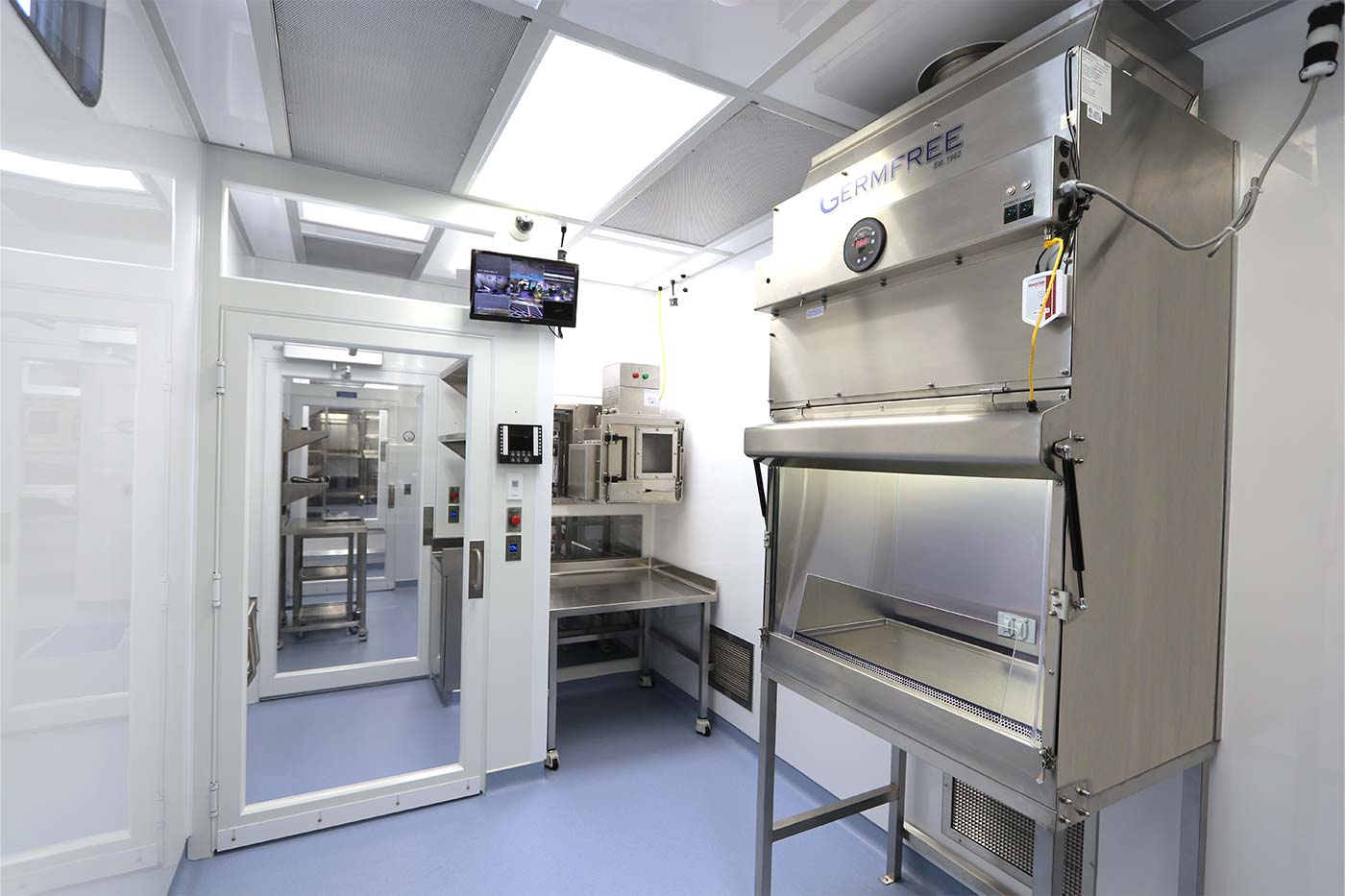
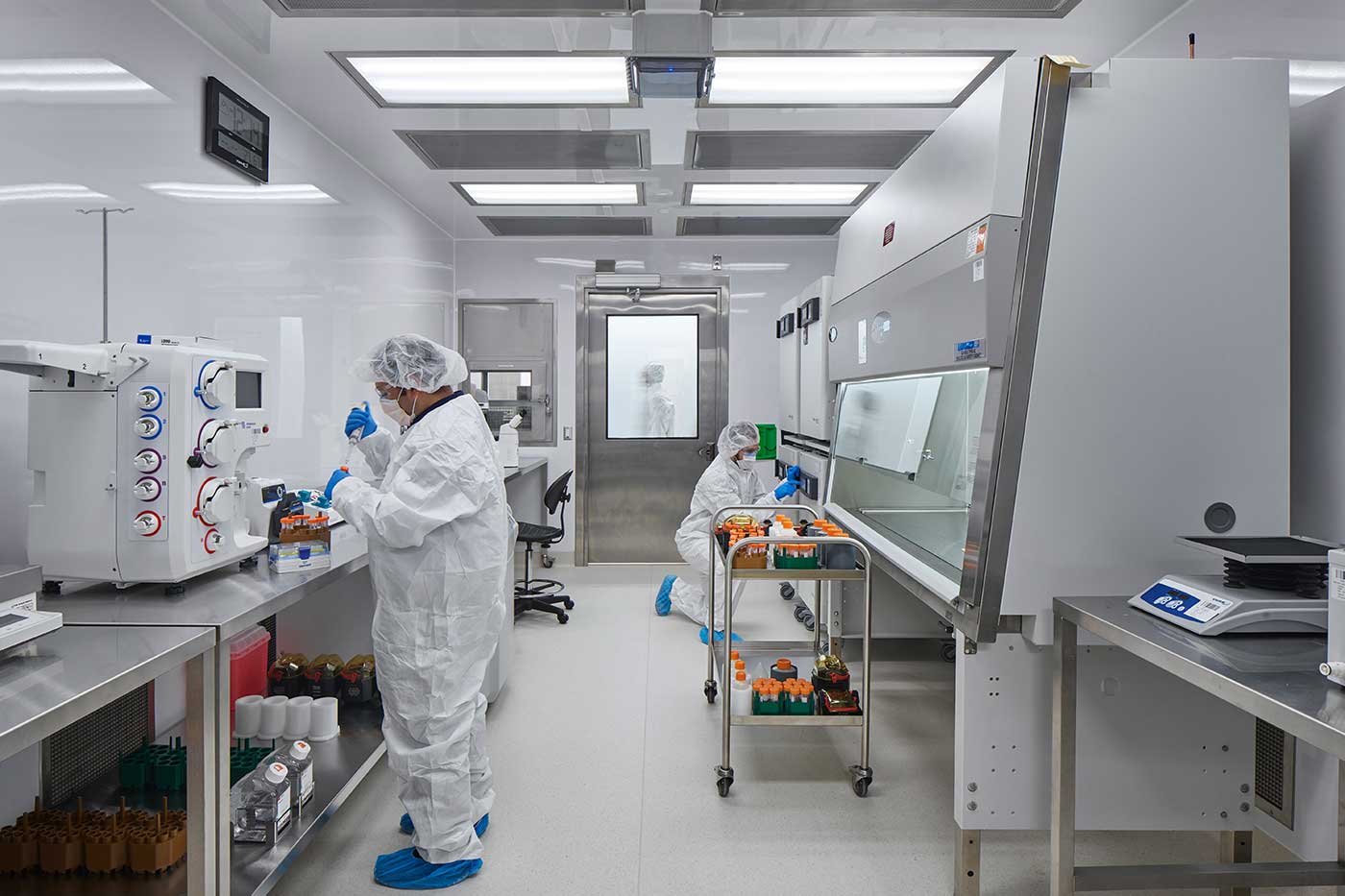
Pre-assembled, Pre-fabricated modular labs built primarily off-site for permanent installation. (Facilities can be relocated, if desired.)
Advantages
- Accelerated, pre fabricated off-site built facility
- Easily integrates with existing facility/process
- Flexibility to use existing facility utilities, HVAC and other infrastructure
- Free standing (Does not require a shell building)
- Modular allows ultimate scalability – 1 module at a time.
Timescale
Build time 6-18 months, onsite in 8-18 months
Classifications
Cleanroom Grades: B, C, D (ISO 5, 7, 8), Biosafety Levels: 2, 3, 4
Sizing and layouts
- Standard & custom sizes
- Interconnected, multi-module
- 26 Standard Application Layouts (Biopharma, Biocontainment and Healthcare)
- Supports various HVAC/MEP Options
Applications
Biocontainment
Biopharma
Healthcare
Equipment add-ons
Extensive line of fit-for-purpose equipment.

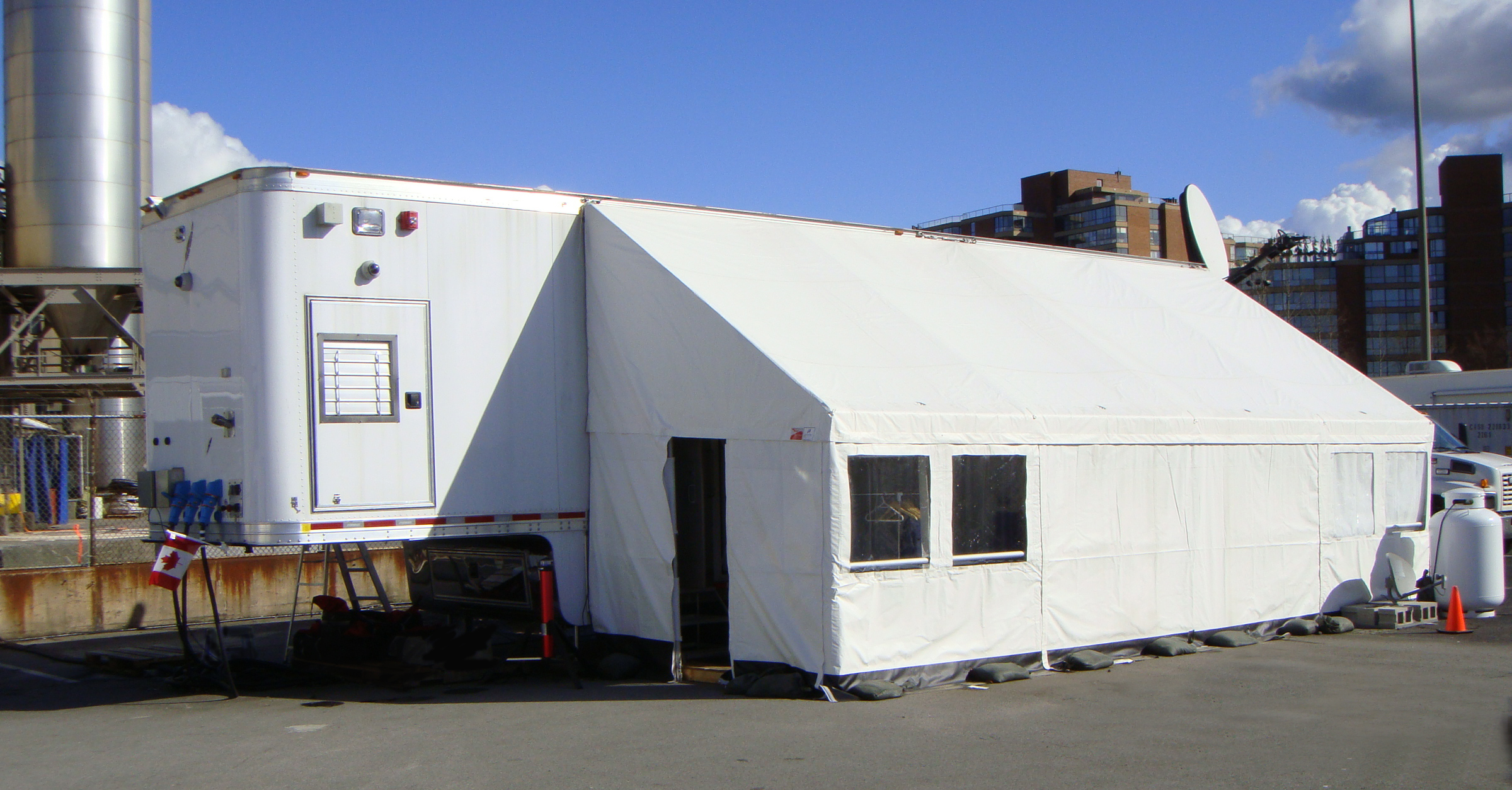
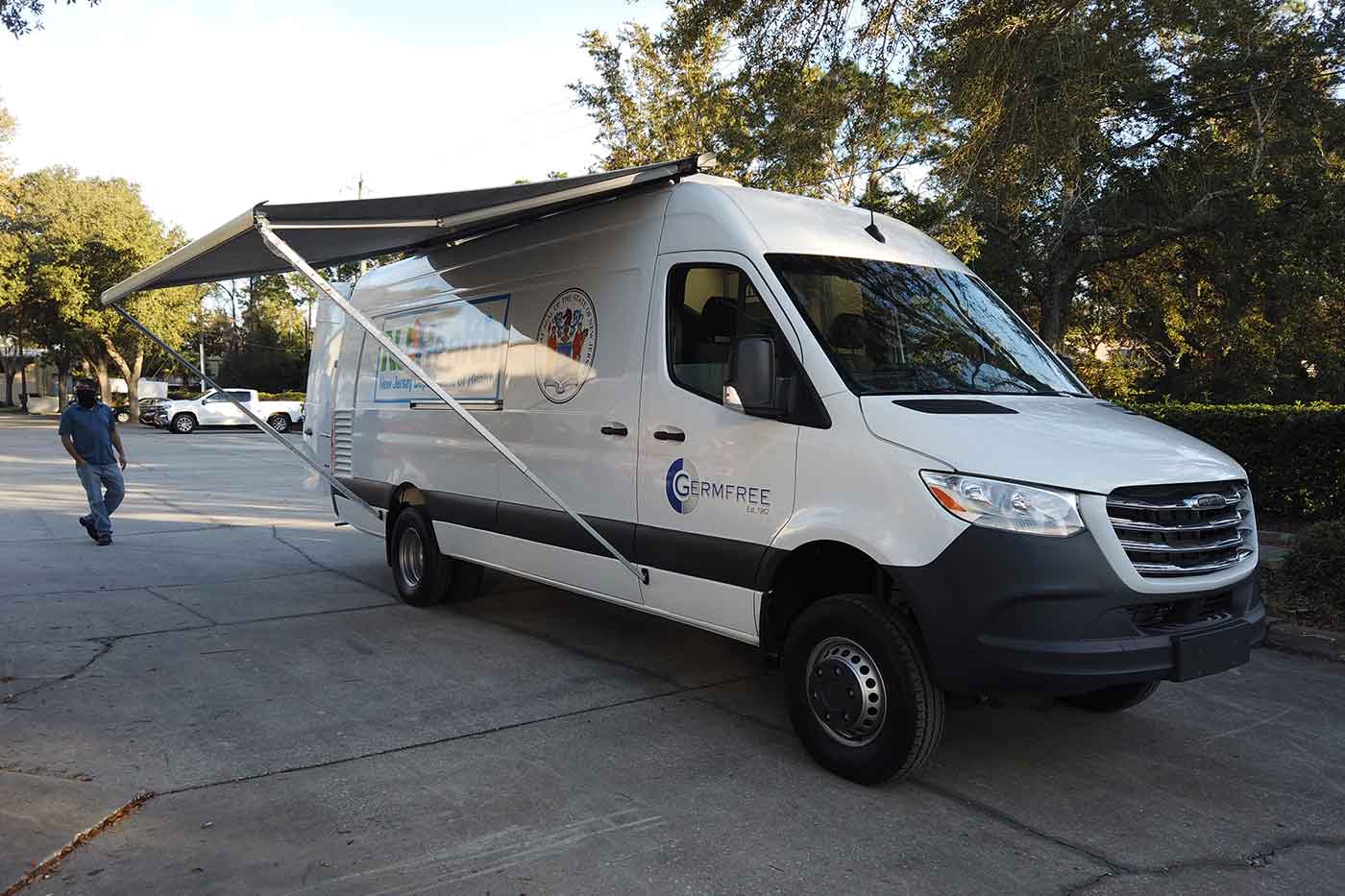
Mobile
Ideal for quick deployment to add additional manufacturing capacity, or surge capacity in emergency situations. Often used as a mobile hub for disease breakout surveillance, swing space, and point of care manufacturing.
What is a mobile cleanroom?
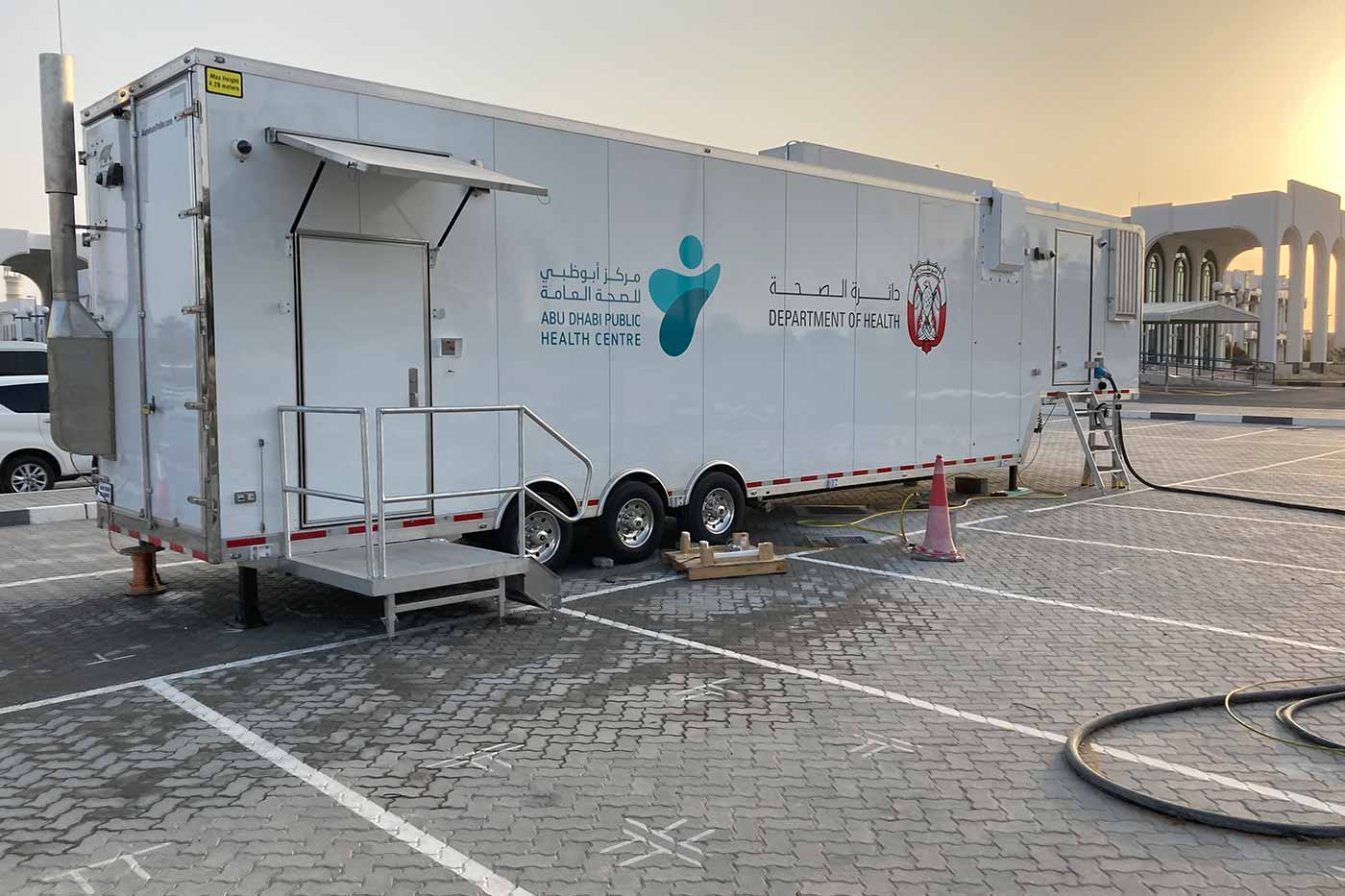
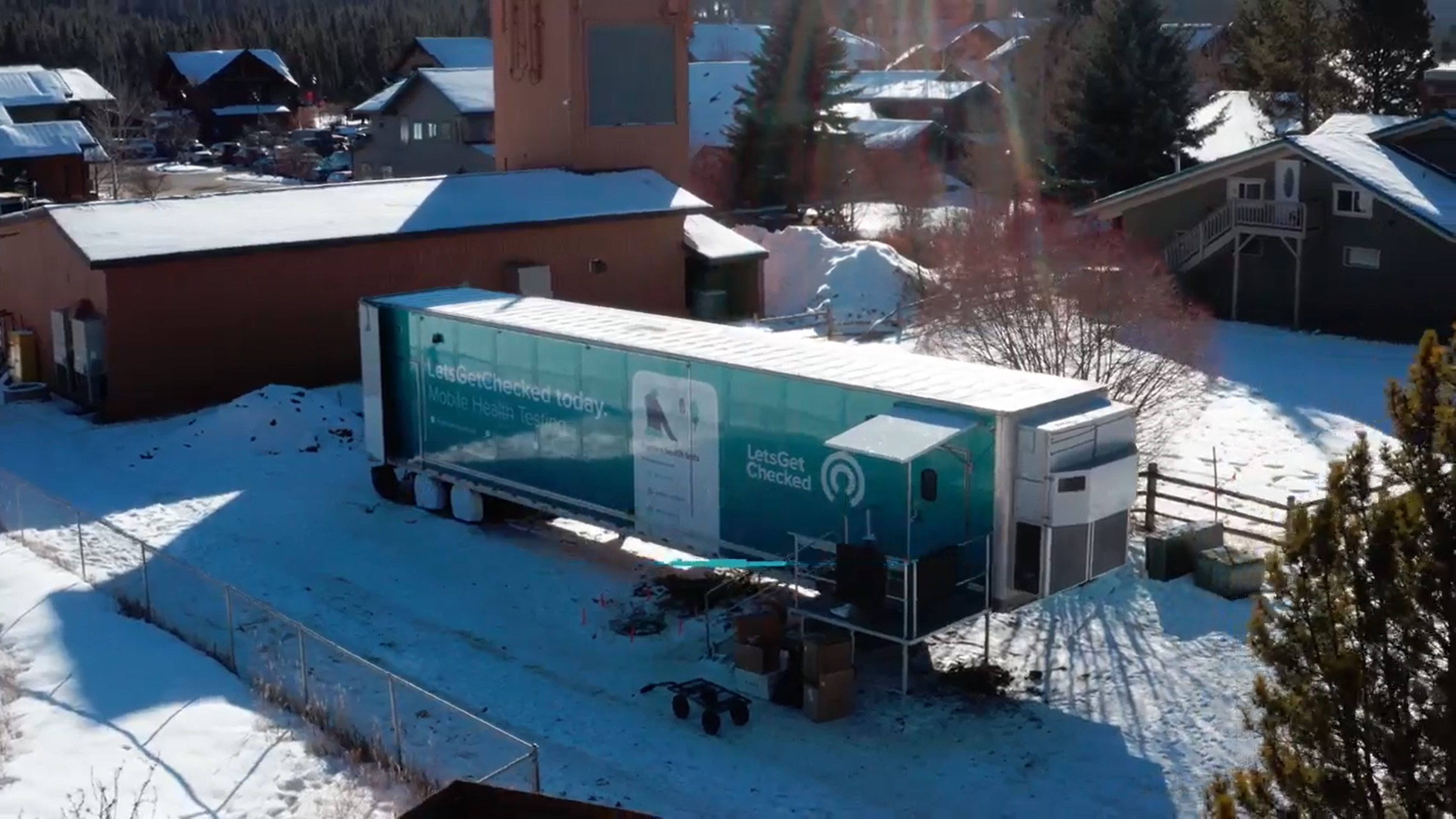
Pre-assembled, Standalone “vehicle based” platform with integrated MEP/HVAC that can be easily relocated requiring minimal site infrastructure to operate outside.
Advantages
- Rapidly Deployable and Movable
- Most flexible leasing options
- Operate anywhere worldwide with minimal infrastructure
- Free standing (does not require a shell building)
- Suitable for “Point of Care” manufacturing structure
Timescale
Build time 1-6 month, onsite in 3-8 months
Classifications
Cleanroom Grades: B, C, D (ISO 5, 7, 8), Biosafety Levels: 2, 3
Sizing and layouts
- Standard & custom sizes
- Interconnected, multi-module
- 26 Standard Application Layouts (Biopharma, Biocontainment and Healthcare)
- Supports various HVAC/MEP Options
Applications
Biocontainment
Biopharma
Healthcare
Equipment add-ons
Extensive line of fit-for-purpose equipment.
Frequently Asked Questions (FAQ's)
- What is the difference between a modular and a mobile cleanroom?
Modular and mobile cleanrooms are both off-site engineered and fabricated, compressing timelines and ensuring system integration happens in a controlled manufacturing environment. The key difference is how they deploy and what they are designed to do long-term. Modular facilities are pre-assembled, permanent or semi-permanent structures installed as freestanding buildings, primarily designed to stay in place and scale with the organization over time. Mobile facilities are built on vehicle-based platforms designed for movement and require minimal site infrastructure to become operational. Modular is the right choice when permanence and process complexity are priorities; mobile is the right choice when speed, flexibility, and portability matter most.
- When should we choose modular?
Modular facilities are the preferred choice when a program demands a permanent infrastructure footprint, greater spatial complexity, or the capacity to house large-scale process equipment. They suit organizations building long-term manufacturing or research capability that needs to grow over time through added modules, expanded HVAC capacity, or reconfigured internal spaces. Modular cleanrooms accommodate the full range of cGMP grades, complex room sequencing, and oversized equipment impractical in a vehicle-based platform. They are also the right fit when the regulatory pathway requires formal commissioning, qualification, and validation (CQV) as a permanent installation.
- When should we choose mobile?
Mobile facilities are the right choice when speed of deployment, operational flexibility, or limited site infrastructure are defining requirements. They excel in time-critical scenarios like outbreak response or public health emergencies, where standing up a compliant environment in days or weeks rather than months has significant operational or humanitarian consequences. In healthcare settings, mobile units frequently serve as swing space during renovations, keeping compounding or clinical operations running while permanent spaces are offline. They are also well suited for surge capacity, satellite operations in remote locations, and pilot programs where organizations want to validate a workflow before committing to a permanent facility investment.
- Do both platforms support standard and custom layouts?
Yes. Both modular and mobile platforms are available in standard configurations and can be fully customized to meet project-specific requirements. Germfree offers 26 standard application layouts spanning biopharma, biocontainment, and healthcare use cases, providing a proven starting point that accelerates design and procurement for more straightforward programs. For unique process flows, equipment footprints, or regulatory considerations, both platforms support fully custom configurations developed with Germfree’s engineering team. Multiple units can also be interconnected to create larger, more complex facility configurations when a single unit does not provide sufficient space or functional separation.
- Do both platforms support equipment add-ons?
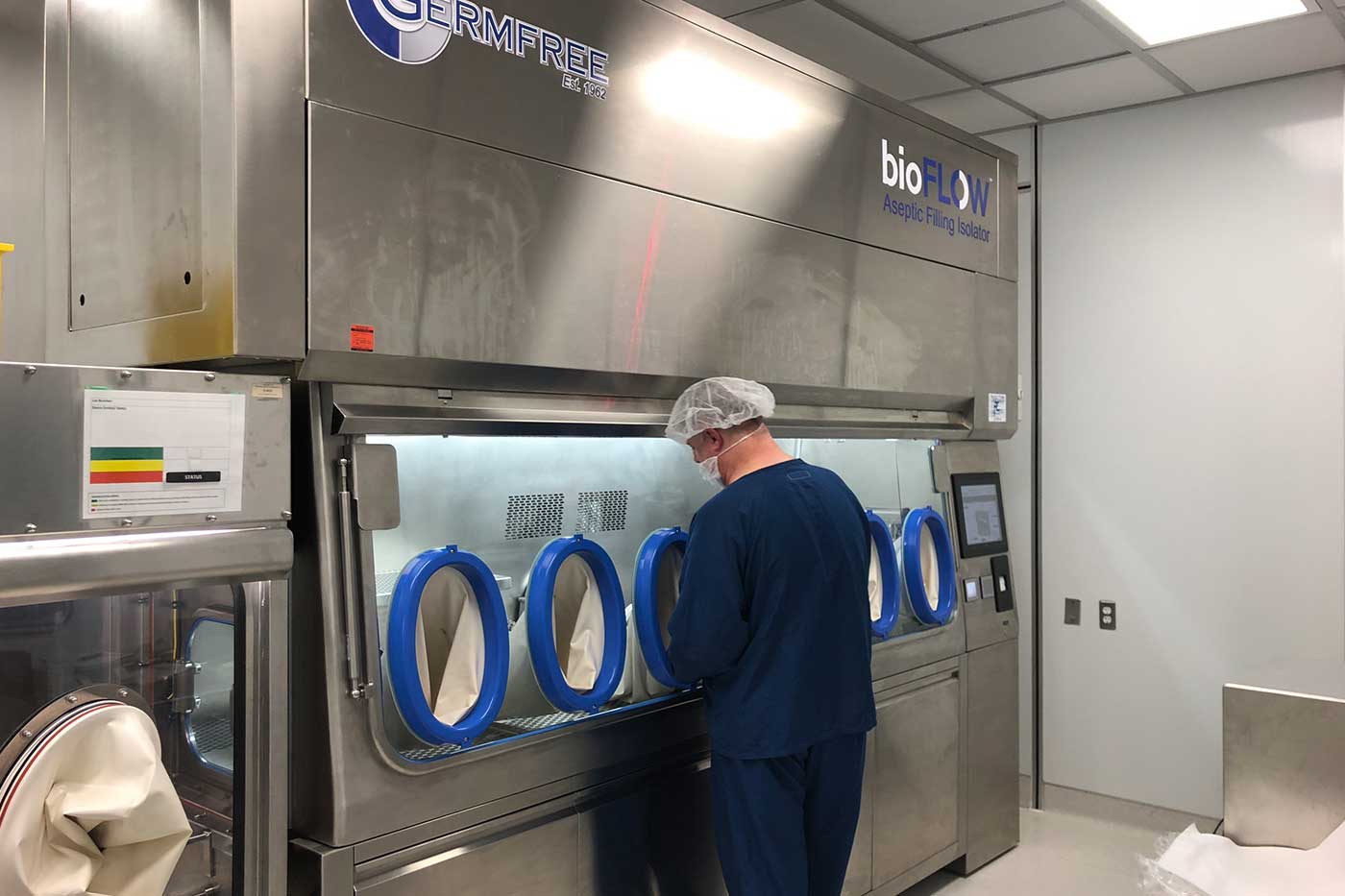
Yes. An extensive range of fit-for-purpose equipment add-ons is available for both platforms, allowing the facility to be configured precisely around the intended workflow. Options include primary engineering controls like biosafety cabinets, laminar flow hoods, isolators, and containment systems, as well as supporting infrastructure like pass-through chambers, autoclaves, dunk tanks, and environmental monitoring systems. For pharmacy and compounding applications, integrated IV workflow technology such as the Smarthood™ can be incorporated directly into the facility. Because both platforms are engineered off-site as integrated systems, equipment add-ons are incorporated during fabrication wherever possible, ensuring all utilities and spatial relationships are accounted for before the facility reaches the site.












Let's build something.
Tell us about your project and we’ll connect you with the right team within 24 hours.

Sales: + 1 (386) 265-4300


